
Beyond the Skin: Why Medical History Matters
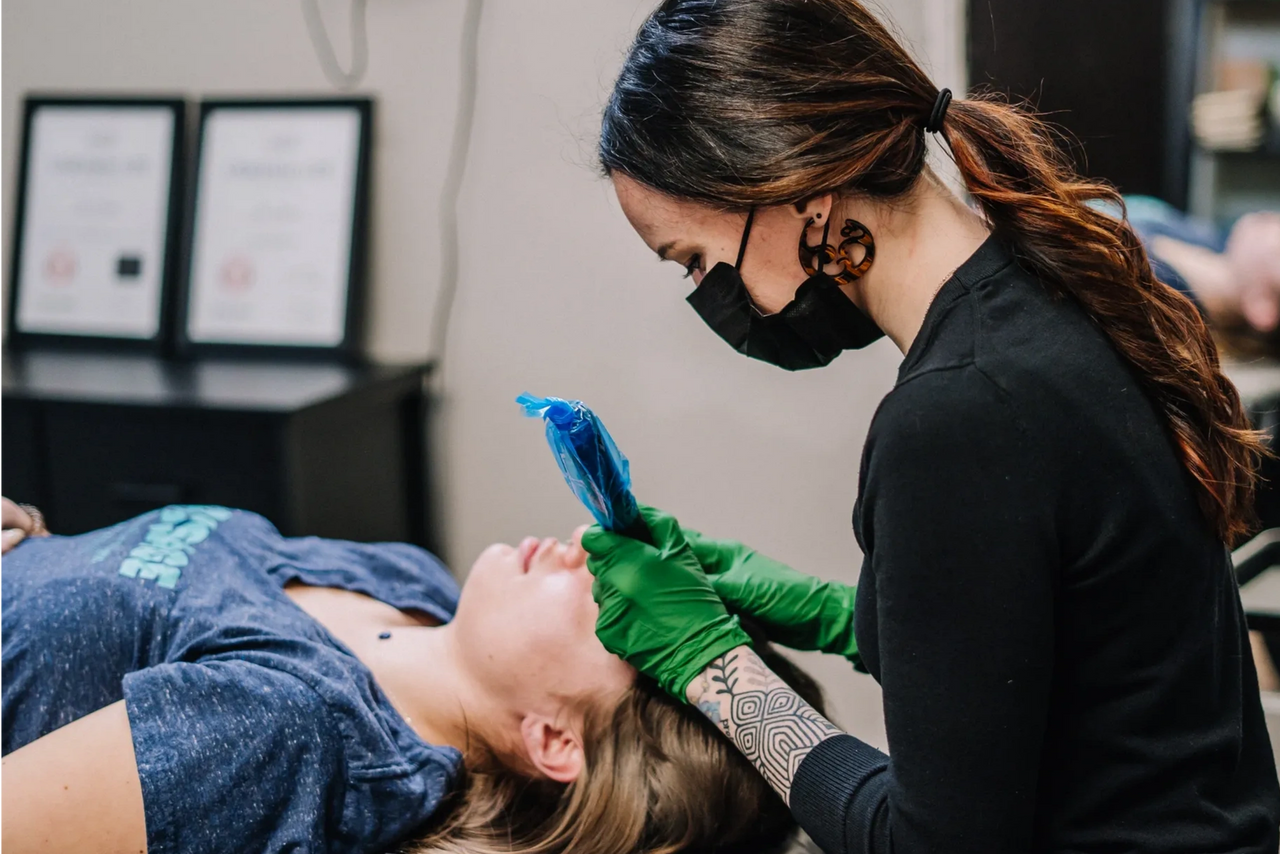
Your skin tells a story, and cosmetic & paramedical tattooing helps you write the next chapter with care. The ink, the technique, the aftercare all matter, but one element guides everything: a full and honest medical history disclosure. A missing detail can change how skin reacts, how color heals, and how you feel after.
If you have had surgery, radiation, acne treatments, other cosmetic work, chronic illnesses, history of certain conditions, etc., these pieces can all effect and shape your plan. Medications, skincare products and dietary supplements do, too. In this guide, you will learn why every detail matters, how past procedures affect treatment, and what happens when key information is left out. You will also get a simple plan for filling out intake forms with confidence. We are on your side, every step. 💛
Every Detail of Your Medical History Shapes the Tattoo Plan and Outcome
The skin is alive, responsive, and unique. When we place pigment, the body decides how much to accept, how fast to heal, and what the final tone looks like. Your history helps us map that journey.
Technique adjusts to you. Mapping, needle choice, pigment load, pass count, and session length shift based on how your skin responds. Aftercare changes, too. Some clients need gentle cleansing only, others need barrier ointments or extra check-ins. When we know your details, we can set safe parameters, predict retention, and build results that look the best and last the longest.
The goal is simple: fewer surprises, more trust. With full disclosure, we create a plan that fits your skin, your health, and your goals. It is care by design.
What to Disclose for Paramedical Tattooing
Share your complete picture, including:
- Medications & supplements: blood thinners, steroids, antibiotics, Accutane, retinoids, fish oil, turmeric
- Allergies: pigments, metals, latex, lidocaine, esters or other numbing agents, essential oils, witch hazel
- Conditions: autoimmune disease, diabetes, HBP, bleeding disorders, keloid history, eczema, psoriasis, active acne, HSV1, trichotillomania
- Life factors: pregnancy or lactation, recent illness, smoking or vaping, alcohol use, vacations, sports/fitness obligations
- Treatments: chemo or radiation, recent surgery, laser treatments, microneedling, chemical peels
- Skin exposure: tanning or recent excessive sun exposure
- Implants or devices in or near the area
- The exact area being treated and dates of any prior work
How Medications and Conditions Affect Healing and Color
Medication and health status guide timing and approach:
- Blood thinners, fish oil, high-dose vitamin E can increase bleeding, which may push out pigment and reduce retention.
- Accutane and strong retinoids can thin skin and slow repair, raising risk of irritation or color shift. Sessions may need to wait.
- Uncontrolled diabetes can slow healing and raise infection risk.
- Autoimmune flares may cause unpredictable retention or delayed healing.
- Antibiotics or active acne can alter how skin responds
These factors can affect swelling, color hold, comfort, timing, risk of infection, and other healing complications; so we often reschedule until things are stable, or in rare cases, we are glad to catch issues that could make it not worth proceeding at all… Your health and safety is always the top priority!
Previous Work and Scar Tissue Change the Map
Old pigment is not neutral. It has undertones that can peek through new color, especially in areola restoration, scalp camouflage, or scar work. Prior laser removal can leave skin more reactive. Surgical or radiation scars may be fragile, drier, or shiny, which changes how needles glide and how color reads.
We might choose different needle groupings, softer passes, or correction layers to adjust undertones. Shorter sessions, lower saturation, or patch tests may be safer for radiated or thin skin. Clear photos, dates of past work, and any pigment brand details help set expectations and guide a stepwise plan.
Complete Intake Forms Lead to Safer Plans and Better Results
Think of your intake form as a safety net. It protects you and supports the artist’s clinical judgment. Full and accurate forms also meet legal and ethical standards, which matters for continuity of care and record keeping. When we collect dates, doses, contact info, and consent in one place, your plan stays clear from consultation to follow up.
Great forms reduce stress later. They prevent rushed decisions, prompt smart timing, and make your aftercare precise. If something changes before your appointment, update the studio. Little updates, big difference.
How to Fill Forms the Right Way
A complete form includes the details that shape your plan:
- List exact medication names and dosages, plus daily supplements.
- Add last use dates for retinoids, Accutane, antibiotics, steroids, and peels.
- Note dates of surgery, laser, injections, microneedling, or radiation.
- Record allergies to pigments, metals, latex, lidocaine or epinephrine, essential oils, witch hazel, or anything else that could be important to note.
- Bring a current medication list and include herbal products, too, if you don’t have them memorized.
- Bring photos of your regular skincare products so we can help confirm whether they contain any retinoids or AHA/BHAs.
- Add an emergency contact and relevant physician info if ongoing care is involved.
Accuracy saves time and lowers risks!
Red Flags That Change Timing or Require Clearance
Some situations call for a pause or a doctor’s note:
- Accutane use in the last 12 months.
- Active skin infection, open wounds, or active acne on the site.
- Uncontrolled diabetes or immune suppression.
- Blood thinners that cannot be paused by your doctor.
- Recent sunburn or heavy tanning on the area.
- Active eczema or psoriasis flare on or near the site.
- Pregnancy or nursing/active lactation.
- Recent chemo or radiation (within 6 months to 1 year).
- New keloid formation or keloid history on the site or from similar levels of skin trauma.
- Recent fillers or Botox anywhere near the planned area.
- Recent immunizations/vaccinations.
- Menstrual cycles – there is typically a higher risk of excess bleeding and skin reactivity, paired with sensitivity (lower pain tolerance) around your period, so if you are someone who menstruates, you may wish to plan around that time of the month!
For sensitive cases, a patch test may be advised before a full session.
What to Bring to Your Appointment
Arrive prepared to make your session smooth:
- Any before and after images from prior work, if applicable and possible.
- Dates of past sessions (and pigment brands if known, for prior work), and dates of any recent chemical peels, injectables or other treatments to the area
- A current medication and supplement list, plus any related doctor notes.
- Clean skin with no self tanner or heavy skincare on the site.
- Skip alcohol, ibuprofen, aspirin and any other blood thinners or anticoagulants for 24-48 hours ahead of the tattoo appointment, and avoid or limit caffeine the morning of your appointment to minimize skin reactivity
Preparation helps your artist plan precise steps.
Real Risks of Missing Details and the Pro Protocols That Prevent Them
Full disclosure is not about judgment. It is about safety, comfort, and predictable results. When pieces are missing, outcomes can slip. When the record is solid, care stays steady and you feel supported, and get the most out of your investment. And we don’t want to take unnecessary risks – especially on the face!
Below are real-world scenario types and the standard protocols that help prevent them.
What Can Go Wrong When History Is Incomplete
- A client takes daily aspirin but does not list it. Unexpected bleeding leads to poor color hold, extra swelling and suboptimal result.
- A client uses strong retinoids on the area. The skin is thin, color spreads, and the tone heals ashy, if it even stays at all.
- Radiated skin is treated as normal. The tissue tears, the session stops early, and recovery lengthens.
- Antibiotics were started that week. The skin reacts oddly, raising infection risk and prompting urgent follow up.
- A client with keloid history does not disclose it. A raised response develops that could have been avoided.
- A client has HSV1 and doesn’t know it or doesn’t disclose it, and doesn’t take the appropriate precautions, for lip blush or other services around the mouth area, and gets a bad outbreak of cold sores and heals unpredictably, which could have been avoided or minimized with proper care.
Most of these outcomes are preventable with full disclosure and adjusted timing.
Documentation Protocols Pros Use Every Time
Professional studios build safety into their workflow:
- Detailed intake and consent forms, signed and dated.
- Standardized photos before, during, and after, with consistent lighting.
- Skin assessment notes, plus color swatches and pigment lot numbers recorded.
- Needles and machine settings logged.
- Sterile setup logs, including barrier use and disposal.
- Patch tests when history suggests sensitivity.
- Aftercare in writing, reviewed and sent with the client.
- Scheduled follow ups with healing photos.
- Incident reports for anything unusual, plus internal review.
Records are stored securely and privately, meeting local laws like HIPAA in the US.
When to Pause, Refer, or Say No
Ethical artists protect you first. They may delay treatment if timing is risky, request medical clearance from your provider, or decline if the risk stays high. They document the reason, share the plan in writing, and offer referrals to dermatology, oncology, or surgery teams when helpful. This is not a barrier, it is a bridge to better long term results.
Conclusion
A clear medical history leads to safer sessions, smarter plans, and results that look like you. Before you book, gather your medication list, dates of prior work, pigment or laser details, and clear photos. Share updates if anything changes in the days before your appointment. Questions are welcome, always.
Ready for the next step in your healing journey? Book a consult, review our intake form, and let’s map a plan that respects your story, your skin, and your goals. We are here to help you feel whole again. ✨